
Последнее обновление статьи 10.04.2026
Finding an old coin in a drawer or shoebox can feel like uncovering a tiny time capsule. Before you imagine instant riches, though, it helps to know how the best coin identifier app values are determined and where to look for reliable information. This guide walks you through practical steps—what to look for, tools to use, common traps, and where to sell—so you can move from curiosity to confidence without getting overwhelmed.
Whether you’re a casual finder, someone cleaning out an inherited collection, or a beginner collector, the process is the same: identify, inspect, research, and then decide whether to sell, conserve, or keep. Each of those stages has some subtleties. Read on and you’ll be able to make a quick, informed estimate of a coin’s worth and know when to call in an expert.
Understanding What Makes a Coin Valuable
At its core, a coin’s value is shaped by four factors: rarity, condition, demand, and composition. Rarity isn’t just about how few coins were made; it also includes how many have survived over time and whether there are notable varieties. Condition—often called grading—can make a world of difference: a nearly pristine coin can be worth many times more than the same date in poor condition. Demand fluctuates with collector tastes and market trends. Finally, metal content matters: gold and silver coins always carry intrinsic metal value as a baseline.
Price is market-driven. Two coins that are identical in age and mintmark can sell for different amounts depending on where and how they’re sold. Auctions, dealer sales, online marketplaces, and private transactions all have different price dynamics and fees. Learning to read those signals will save you money and time.
Rarity and Mintage Numbers
Start by finding the coin’s date, mintmark, and any unusual design features. The mintage number—the number of coins originally produced—gives a first clue to rarity, but survival rates matter more. Some low-mintage coins are common today because many were hoarded or stored; other high-mintage coins are scarce because they were melted, lost, or damaged.
Reference books and trusted online catalogs will list mintage figures and known varieties. Make a note of any special strike errors or limited commemorative releases; those often add value beyond the basic date/mint combination.
Condition and Grading
Condition is the single most important factor after identification. Grading can feel technical, but you can learn the basic scale and what to watch for. The most widely used scale runs from Poor (P-1) to Mint State (MS-70). The difference between MS-60 and MS-65 might be subtle to an untrained eye yet enormous in value.
| Grade | Short Description | Collector Impact |
|---|---|---|
| Poor (P-1) | Extremely worn, details mostly gone | Low value except for very rare pieces |
| Good to Fine (G-4 to F-12) | Heavy wear but major details visible | Common overall; modest value |
| Very Fine to Extremely Fine (VF-20 to EF-40) | Moderate wear, most designs clear | Popular with collectors; value rises with rarity |
| About Uncirculated to Mint State (AU-50 to MS-70) | Minimal wear to flawless; original luster may remain | Highest premiums for desirable dates |
When you’re grading at home, look at high points of the design where wear appears first—ears, hairlines, tips of leaves. Luster, hairlines from cleaning, and contact marks all influence the grade. Take photos under good light to compare with grading guides.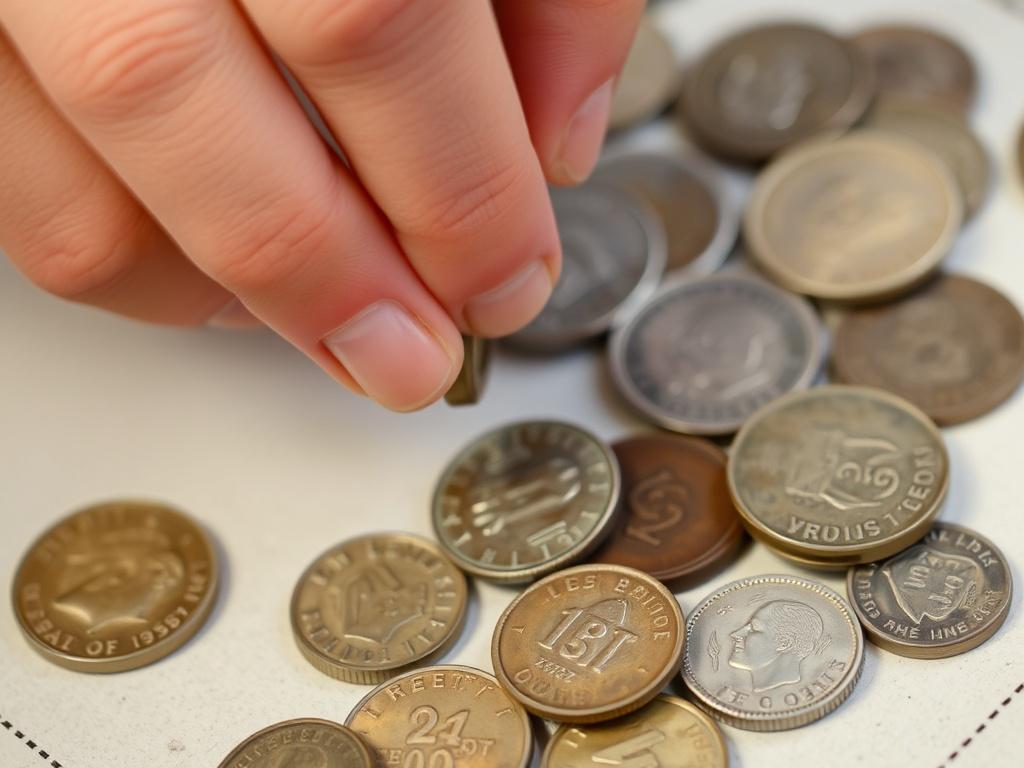
Tools You’ll Need to Inspect Coins
You don’t need an expensive kit to begin. A few well-chosen tools will get you a long way and help you avoid misjudging value because of a small detail you missed.
- Loupe or magnifier (10x is standard for coin work)
- Soft, angled LED light for raking illumination
- Caliper or ruler to measure diameter and thickness
- Weight scale (0.01g precision for small coins)
- Reference books or a reputable online database
These tools help spot wear, repairs, or counterfeits. A magnifier shows die marks, tool marks, and reeding details. A scale combined with diameter measurements tells you if a coin matches its expected specifications, which is a quick counterfeiting check.
Step-by-Step Guide to Checking Your Coin’s Value
Follow these steps in order. Skip none. A clear, methodical approach reduces mistakes and the chance you’ll undervalue something important—or overpay to have it graded unnecessarily.
- Identify the coin
- Assess its condition
- Check for counterfeits and alterations
- Research market values
- Decide whether to sell, grade professionally, or conserve
Step 1: Identify the Coin
Look for the date and any mintmark. The mintmark is usually a small letter indicating where the coin was struck—such letters matter a lot for certain series. Note the country, denomination, and reverse design. If the date is worn off, use design clues and metal composition to narrow down possibilities. Photograph both sides and any distinguishing marks; those images will help you when consulting references or online communities.
Step 2: Assess Condition
Handle the coin by the edges and examine it under your loupe and light. Compare what you see to grading photos from reputable sites or guidebooks. Be conservative—novice graders often overgrade because they focus on a few shiny areas and miss overall wear or cleaning marks. Record your perceived grade and list specific flaws: scratches, corrosion, hairlines, or environmental damage.
Step 3: Check for Counterfeits
Counterfeits range from crude fakes to sophisticated modern copies. Start with weight and dimensions; many fakes fail to match exact specifications. Inspect the edge for reeding consistency and seams. Look for unusual surface texture or bubbles that suggest casting instead of striking. If the coin is precious metal, a magnet test (many fakes are magnetic) and a specific gravity test can be informative, but be careful with destructive tests. When in doubt, seek a second opinion from a reputable dealer or third-party grading service.
Step 4: Research Market Value
Once identified and graded, consult multiple price sources. Use recent auction results for the most accurate view of what collectors are paying now. Standard price guides provide a baseline but can lag market changes. Compare listings on auction sites, dealer inventories, and price guides, and account for sale fees and shipping. Keep a note of the coin’s population report if available; low-population coins often carry a premium.
Step 5: Getting a Professional Opinion
If your coin appears rare or valuable, a professional grading by a reputable third-party service (such as PCGS or NGC in the U.S.) can increase liquidity and buyer confidence. Grading involves fees and submission time, so weigh the cost against potential value increase. For very rare or high-value coins, consider a formal appraisal from an independent numismatist before sending anything off. A trusted dealer can also provide a fair in-hand offer if you prefer to sell locally.
Where to Check Prices and Where to Sell
Not all selling channels are equal. Each has trade-offs between convenience, fees, and final sale price. Here are common places to research prices and sell coins.
- Online auction sites—good for demand-driven pricing; fees vary.
- Specialist coin auction houses—best for rare, high-value pieces.
- Local coin dealers—fast and low hassle, but offers may be conservative.
- Coin shows—allow live appraisal and dealer competition.
- Online marketplaces and forums—great for common coins but beware scams.
Below is a simple comparison to help choose a selling route.
| Channel | Typical Fees | Best For |
|---|---|---|
| Major auction houses | 10–25% commission | Rare, high-value coins |
| Online auctions (peer-to-peer) | 5–15% plus listing fees | Coins with strong collector demand |
| Local dealers | Low to none (dealer profit built into offer) | Immediate sale, convenience |
| Coin shows | Variable | Buying, selling, and appraisal in person |
Common Pitfalls and Mistakes to Avoid
Several recurring errors cost enthusiasts real money. First, don’t assume every old coin is rare. Many older circulating coins are common and worth only their metal or a small premium. Second, never clean a coin aggressively. Cleaning can destroy original surfaces and cut value drastically. Third, avoid relying on a single price guide. Cross-reference multiple sources and look for completed sales, not just asking prices.
Avoid selling to the first buyer who shows interest without getting a second opinion for high-value items. Dealers make offers based on their need to resell and cover overhead; a better price sometimes comes from patience and the right marketplace. Finally, beware of online scams—insist on tracked shipping and verified payment methods for sales.
Caring for and Storing Old Coins
Preserving condition protects value. Store coins in a stable environment: low humidity, moderate temperature, and away from direct sunlight. Use inert holders—mylar flips, acid-free envelopes, or archival-quality plastic capsules. Avoid PVC plastics that can leach chemicals and damage metal over time. Handle coins by the edges and use cotton gloves for very high-grade pieces to prevent oils from your skin from causing long-term harm.
If you suspect a coin needs conservation due to active corrosion, consult a professional conservator. Home remedies often worsen the issue. Small investments in good storage will pay dividends by maintaining or increasing a coin’s value over time.
Conclusion
Checking the value of an old coin is a mix of detective work, careful observation, and market research. Start by identifying and grading the coin, use basic tools to spot counterfeits, and consult multiple price sources—recent auction results are especially helpful. Protect coins with proper storage and avoid cleaning them. For anything that looks rare or valuable, seek professional grading or appraisal before selling. With patience and methodical steps you’ll avoid common mistakes and make smarter decisions about the coins you find or inherit.