
Последнее обновление статьи 02.09.2025
Traveling on vacation with your pet can be one of the most rewarding experiences. Whether it’s a dog that loves the beach, a cat who snoozes on sunny windowsills, or a rabbit that enjoys a grassy patch, taking your companion on holiday adds a layer of joy and comfort many owners cherish. But it also requires careful planning, realistic expectations, and a few practical habits to ensure both your and your animal’s wellbeing. In this article I’ll walk you through everything you need to consider — from paperwork and health checks to packing lists and on-the-road behavior — so you and your pet can have a safe, calm, and memorable trip.
Why bring your pet? The emotional and practical reasons
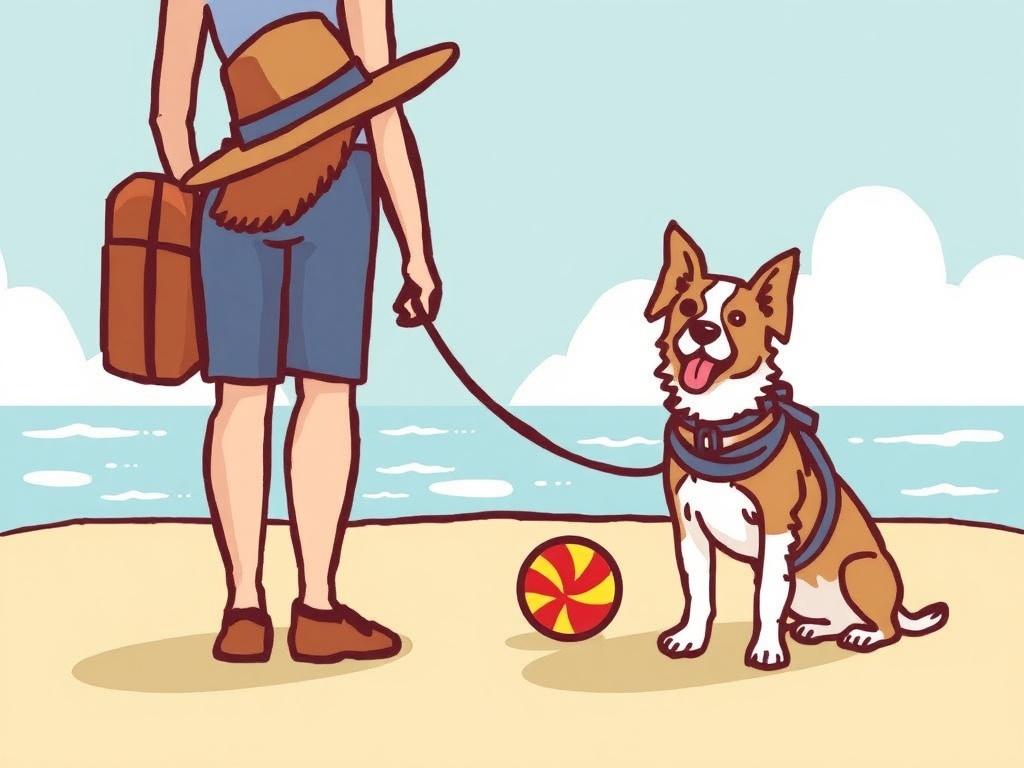
For many pet owners, leaving an animal behind can be a source of anxiety. Pets get attached to routines and faces; they may suffer stress in kennels or with unfamiliar sitters. Bringing your pet avoids separation anxiety and keeps their routine more stable. There are also practical reasons: a dog that needs daily walks, a diabetic pet that requires exact medication timing, or a senior animal that needs constant care. On the other hand, some vacations are best experienced without a pet — think long international trips with long flights, extremely hot destinations, or activities where pets are not allowed. The decision to travel together should balance the animal’s comfort and safety with your travel plans.
Assess your pet’s temperament
Before you book anything, honestly evaluate your pet’s temperament. Is your dog comfortable in the car? Does your cat tolerate carriers and short trips? Are they social or agitated around strangers and other animals? A calm, well-socialized pet will adapt more easily to new places than one who’s fearful or reactive. If your pet struggles with stress, consult your veterinarian or a behaviorist for strategies to reduce anxiety before traveling.
Legalities and health requirements
Different countries, regions, and carriers have various rules about traveling with pets. Ignoring them can lead to denied boarding, costly quarantines, or emergencies in transit. Start planning early — some requirements need weeks of lead time.
Vaccinations, health certificates, and microchips
Most destinations require proof of up-to-date vaccinations, particularly rabies. For international travel, many countries demand a veterinary health certificate (often called a “fit to travel” certificate or an APHIS form in the U.S.) issued within a certain window before departure. Microchipping is commonly required — ensure the microchip is ISO-compliant or have a scanner-compatible chip.
Parasites, treatments, and prevention
Flea, tick, and heartworm prevention are crucial. Some countries require evidence of specific parasite treatments within a set time before arrival. Ask your vet about recommended products for your destination, including those that protect against tropical diseases if you’re traveling to warmer regions.
Pet passports and identification
If you’re in or traveling within the EU, a pet passport makes border crossings easier. For other regions, combine microchips with collars that have ID tags containing your phone number and temporary contact info for the holiday. Carry a recent photo of your pet on your phone and in print in case you need to report them missing.
Choosing how to travel: car, train, plane, or ferry
Each mode of travel has its own logistics and stress levels for animals.
By car: the most flexible option
Cars offer flexibility and control. Pets usually experience less stress because they can stay close to the family routine. Still, safety is essential: use well-fitted harnesses, crates, or dog car seats. Never leave a pet unattended in a parked car — temperatures can become dangerous in minutes.
- Plan regular stops every two to three hours for exercise and toilet breaks.
- Pack a travel crate or carrier for secure rest and containment during stops.
- Keep water available and establish a feeding schedule to avoid motion sickness.
By train and bus
Trains can be a good compromise between long car rides and plane travel — many carriers allow small animals in approved carriers for a fee. Rules vary widely, especially for long-distance and international services. Buses are typically less accommodating for animals, so check policies before you buy tickets.
By plane: careful preparation and airline rules
Flying is the most complex option. Airlines have strict requirements on carrier size, documentation, and whether animals can travel in the cabin or must be booked in the hold. Cabin travel is usually limited to small pets in compliant carriers under the seat. Larger animals may be transported as cargo, which increases stress and risk.
Before flying:
- Book early and confirm pet acceptance with the airline.
- Measure your pet and buy airline-approved carriers.
- Review restrictions for extreme temperatures or species-specific bans.
Ferries and boats
Ferries often welcome pets, but rules differ. Some provide designated pet zones, cabins, or allow pets to stay in cars during crossings. Research facilities on board and at ports.
Packing for your pet: a practical checklist
Packing for your pet is about comfort, safety, and contingency plans. Create a checklist and prepare a travel kit that’s easy to access.
| Item | Why it’s important |
|---|---|
| Health records & vaccination certificates | Required for travel and check-in at accommodation or transport. |
| Leash, harness, and collar with ID tag | Control and quick identification if separated. |
| Sturdy carrier or crate | Safe containment for transport and resting place at the destination. |
| Food and water bowls | To maintain routine and prevent digestive upset from unknown water. |
| Enough of your pet’s regular food | Avoid dietary changes that can cause diarrhea or appetite loss. |
| Medications and first aid kit | Essential for chronic conditions and minor injuries. |
| Favorite toys and bedding | Provide comfort and help reduce stress in new environments. |
| Poop bags and cleaning supplies | Maintain hygiene and respect local rules and neighbors. |
| Flea/tick repellant and sunscreen for pets | Protect against local risks like sunburn and parasites. |
Medication and calming aids
If your pet takes daily medication, pack extra doses plus the prescription and a vet’s letter explaining the medication. For anxious animals, discuss safe calming strategies with your vet — pheromone products, behavioral training, or short-term anxiolytics in some cases. Avoid sedatives for air travel unless specifically approved by a vet, because they can affect temperature regulation and breathing.
Accommodation: finding pet-friendly places
Choosing the right place to stay makes a huge difference. Not every hotel accepts pets, and those that do may have size limits, breed restrictions, or extra fees.
How to find pet-friendly lodging
Use specialized search engines and filters on mainstream booking sites to find pet-friendly hotels, vacation rentals, and campsites. Read reviews from other pet owners to learn about real experiences — for example, whether the property has grassy areas for toilet breaks or noisy elevators that upset animals. Contact the property directly to confirm rules about where pets can go within the premises.
Vacation rentals and house rules
Vacation rentals can offer more space and fewer restrictions, but homeowners may enforce strict rules: keep pets off furniture, use crate while alone, or clean up after outdoor activities. Clarify expectations and any additional cleaning fees in advance.
On the road and at the destination: routines and safety
Maintaining consistent routines reduces stress. Keep feeding and walking times regular where possible. Introduce new people and environments gradually and provide safe spaces such as a carrier or a corner with the pet’s bed and toys.
Car safety and comfort tips
A well-secured pet is a safer pet. Crates should be strong and ventilated; harnesses must attach to seat belts. Place absorbent pads or familiar blankets to reduce anxiety and provide traction. Bring a portable water bottle and bowl and offer hydration frequently, especially on hot days.
Behavior in public spaces
Respect local leash rules and etiquette. Not everyone loves animals, and some public areas may restrict access. Keep control of your pet and watch for signs of discomfort — panting, lip licking, avoidance, or vocalization.
Species-specific considerations
Different animals have different needs. Here are practical tips for the most common traveling companions.
Dogs
Dogs generally adapt well when properly prepared. Exercise before long journeys to help them rest. Socialize them with car rides and carrier time in advance. Use familiar routines, and make sure the accommodation has secure fencing if your dog tends to wander.
Cats
Cats often prefer a slow approach. Keep them in a carrier for safety, and create a calm “home corner” at your accommodation with their litter box, food, and bedding. Let them explore the space gradually while supervised. Minimize changes and keep the carrier available as a refuge.
Small mammals, birds, and reptiles
These pets can be more sensitive to temperature, motion, and stress. For rabbits and guinea pigs, provide plenty of hay and a stable carrier. Birds may not travel well due to stress; short trips and calm handling are best. Reptiles require strict temperature control and secure enclosures.
Emergency planning and veterinary care on the road
Emergencies can happen anywhere, so prepare in advance.
Locate vets and emergency clinics
Before you travel, research veterinarians and 24-hour clinics near your destination and along your route. Save their contact details and addresses on your phone and printed copies. If traveling abroad, know the local emergency numbers and the nearest English-speaking vet if needed.
Pet insurance and travel coverage
Consider pet insurance that covers emergency care, especially for travel. Some policies offer international coverage or short-term travel add-ons. Check exclusions and claim processes before you go.
International travel: red tape and quarantines
International travel demands more attention. Many countries have import requirements, waiting periods after vaccinations, rabies titer tests, and sometimes quarantine.
- Start preparation months in advance to satisfy testing windows and treatment timelines.
- Check your destination’s official government pages for the latest rules; rules change frequently.
- Be aware of re-entry requirements to your home country — leaving without planning return paperwork can lead to quarantine on arrival.
Some countries accept an EU pet passport or equivalent, while others have very strict biosecurity laws. Airlines and pet transport companies can help, but you remain legally responsible for compliance.
Social etiquette and public responsibility
Traveling with a pet is a privilege that comes with obligations. Clean up after your animal, keep them under control, and respect no-pet zones. If your pet causes repeated trouble (barking all night, aggressive behavior), consider options to reduce disturbance such as daytime walks, crate training, or staying with a sitter.
Respect local wildlife and habitats
When hiking or visiting protected areas, keep pets on a leash and follow local rules. Uncontrolled dogs can chase wildlife, disturb ground-nesting birds, or spread disease to native animals. Use trails designated for dogs where permitted.
Training and acclimation before the trip
Short training sessions that simulate travel help pets adjust. Practice being in the carrier, spending time in the crate with the door closed, and taking short car rides. Reward calm behavior and gradually increase exposure to travel conditions. For dogs, reinforce basic commands such as “sit,” “stay,” and recall. For cats, make the carrier a positive place with treats and toys.
Behavioral help for anxious pets
If your pet has severe anxiety, consult a behaviorist months before travel. They can offer desensitization programs and recommend safe, vet-approved medications if necessary. Never give over-the-counter human sedatives to pets without veterinary approval.
Special situations: camping, long hikes, and beach trips
Outdoor vacations are fantastic for active pets but come with risks.
- Bring tick and flea protection suitable for the region.
- Keep pets hydrated and shaded; heatstroke can develop quickly.
- Use life jackets for dogs on boats and near deep water.
- Be aware of local hazards like venomous snakes, cacti, and cliff edges.
Research whether beaches allow dogs and what seasons or times are pet-friendly. Respect breeding seasons and wildlife refuges.
Returning home and post-trip care
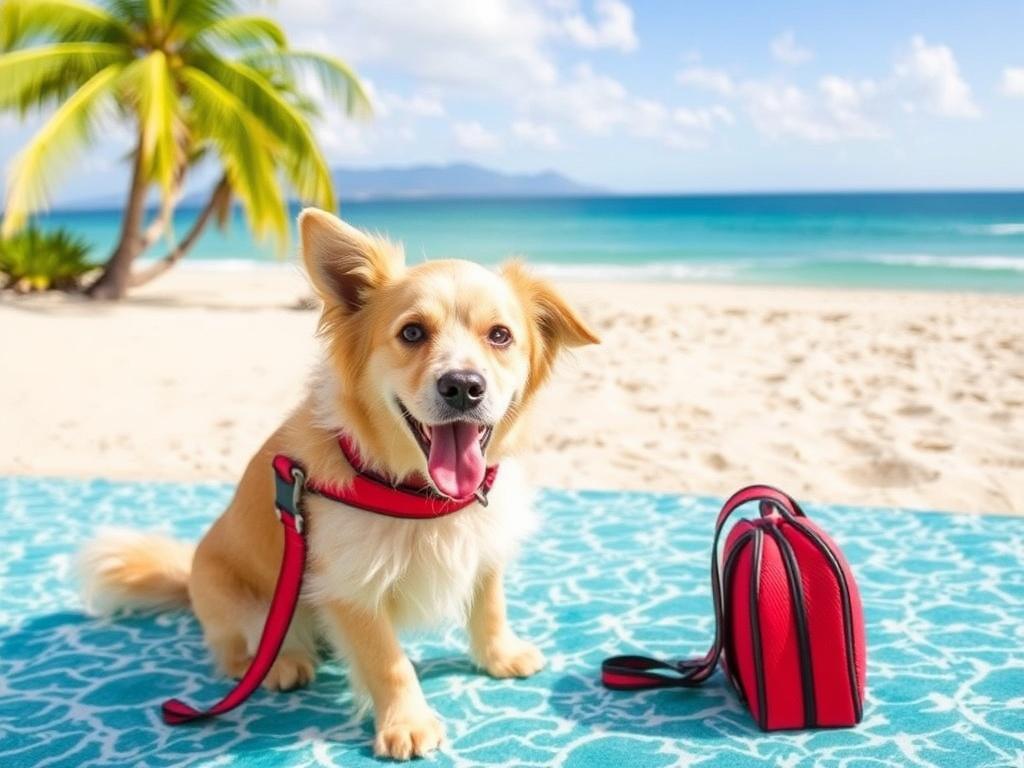
Once home, monitor your pet for signs of stress, parasites, or illness. Some parasites or pathogens may manifest after the trip, so check for ticks, unusual chewing, vomiting, or lethargy. Continue any follow-up treatments required by your vet and restore normal routines gradually.
Cleaning and preventive steps after travel
Wash bedding and travel gear to remove unwanted hitchhikers like seeds, insects, or parasites. Check paws and fur for burrs or residues and inspect the carrier for damage.
Common mistakes to avoid
Traveling with pets is easier when you avoid common pitfalls:
- Leaving preparation until the last minute (documents, microchips, vet checks).
- Relying on unverified boarding or transport services without references.
- Using sedatives without veterinary supervision, especially for flights.
- Not checking local rules for pet access to beaches, parks, or trails.
- Assuming a quiet pet at home will be calm in transit or new places.
When not to travel with your pet
Sometimes the most responsible decision is to leave your pet home with a trusted caregiver. Avoid traveling with animals that are very elderly, severely ill, pregnant, or show extreme stress or aggression that cannot be managed safely.
Quick travel-ready checklist
- Vet visit and health certificate (if required)
- Up-to-date vaccinations and parasite control
- Microchip and ID tags with current contact info
- Airline or transport confirmations and carrier specifications
- Enough food, medication, and comfort items for the entire trip
- List of local vets and emergency numbers
- Pet insurance and copies of documents stored digitally and on paper
Example day-of-travel timeline
| Time before departure | Task |
|---|---|
| Two days | Final vet checks, pack pet kit |
| Night before | Ensure carrier is set up, familiar bedding placed inside |
| Morning | Light exercise, skip heavy meal if advised, load calmly |
| Departure | Secure pet, leave water available, check ID tags |
| During trip | Take regular breaks, offer water, monitor for stress |
| Arrival | Set up home corner, supervise exploration, maintain routine |
Making the trip enjoyable: fun ideas and bonding activities
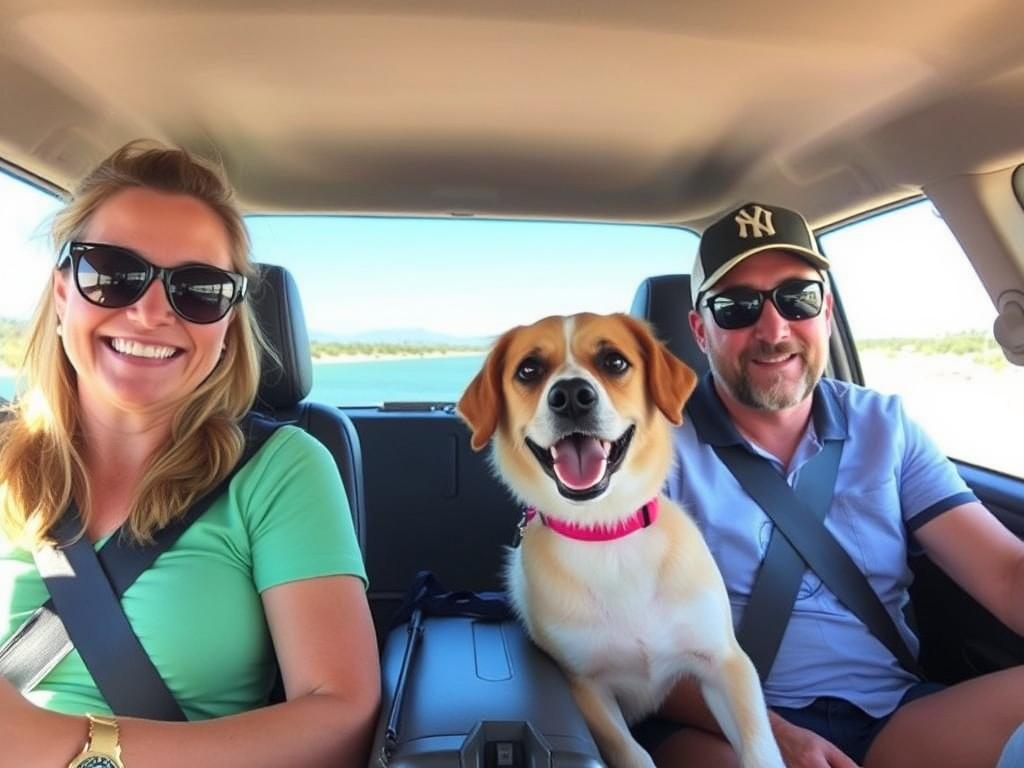
Vacations can be enriching for pets too. Look for pet-friendly cafes, strolls on new beaches, gentle hikes, and dog-friendly events. Bring toys and games to keep their minds occupied. Use the extra time together to reinforce training and deepen your bond — games of fetch at dawn, quiet reading time in the shade, or a calm evening walk after the day’s exploration all help your pet feel secure and happy.
Capture memories safely
Photography is a great travel memory builder, but always prioritize safety over a perfect shot. Keep animals on firm ground, avoid risky poses near cliffs or water, and watch for signs of heat or stress during long photo sessions.
Conclusion
Traveling with your pet takes planning, patience, and a bit of problem solving, but it can create some of the most joyful travel memories. Start early, consult your veterinarian, prepare the right documentation, and pack thoughtfully. Whether you’re taking a leisurely road trip, a short train ride, or a carefully arranged flight, prioritize your animal’s physical health and emotional comfort. Respect local rules, keep routines as stable as possible, and be ready for minor hiccups with a calm mindset. With good preparation and common sense, you and your pet can explore the world together, share adventures, and return home with stories—and photos—to treasure for years.